

Attempt of A Poem

Attempt of A Poem
Performative Workshop Series by Filippo Riniolo is a project of collective rewriting of the Iliad and other Homeric poems, approached through a queer, feminist, and ecological lens.
Artist Filippo Riniolo takes part in the Mahalla Festival with an interactive performance/installation titled The Attempt of a Poem, developed within a residency programme of MagiC Carpets. MagiC Carpets is a Creative Europe platform that brings together 16 European cultural organisations, creating opportunities for emerging artists to journey into unfamiliar territories and—together with local artists and communities—to produce new works that foreground the particularities of place. Latitudo Art Projects in Rome is a partner within the network and nominated Riniolo to participate in the Mahalla Festival. Emerging curators Ilayda Tunca in Istanbul and Paola Farfaglio in Rome oversee the production of Filippo’s project for the Festival.
Within the framework of the Mahalla Festival, Riniolo proposes a series of interactive workshops inspired by an epic genre known as “Nostos”. The term “nostos” refers to narratives of return—stories of heroes in ancient Greek literature. The best-known examples of this genre are Homer’s Iliad and Odyssey, and Virgil’s Aeneid.
Riniolo invites the public to participate actively in the making of the artwork.
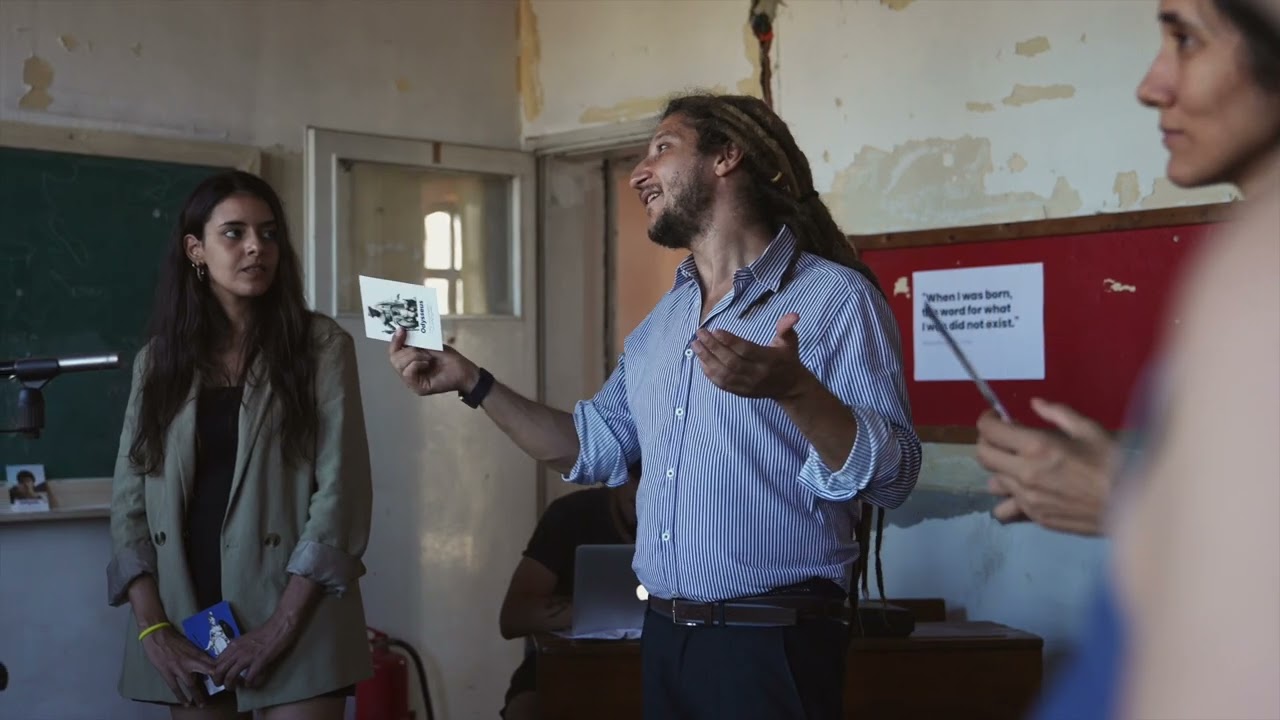
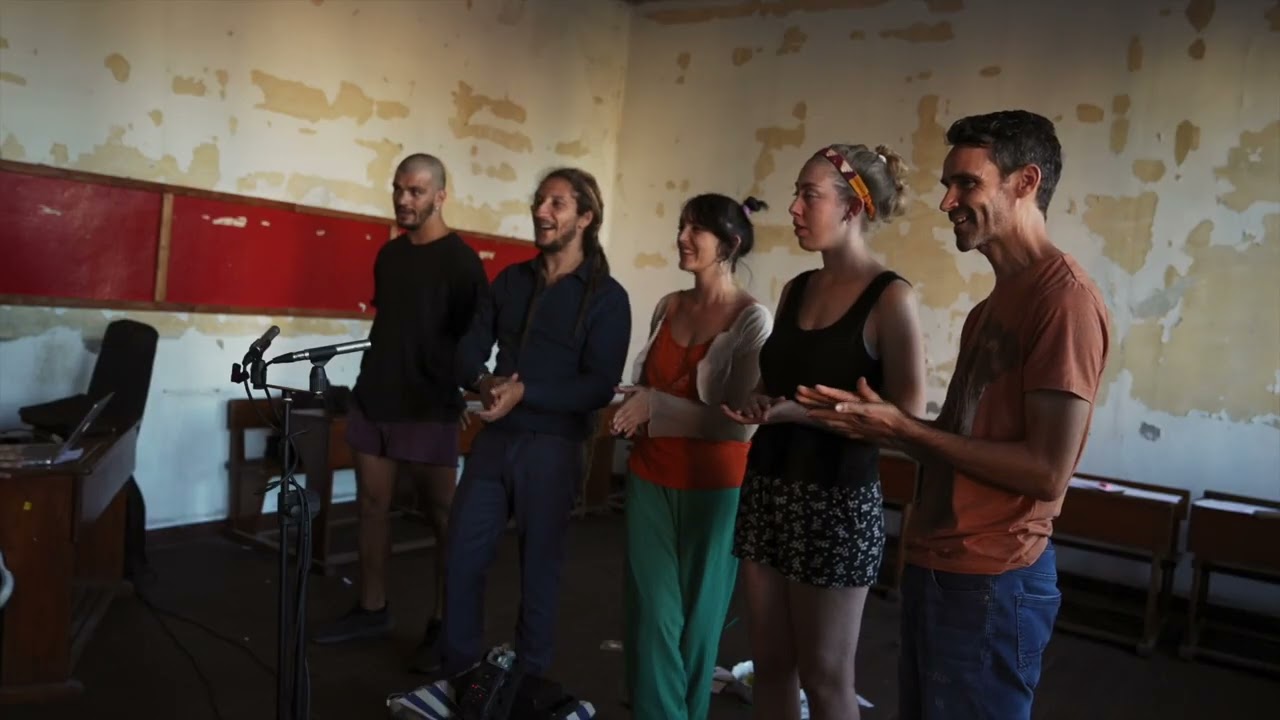
The workshop’s aim is to reinvent an alternative figure of the Trojan Horse. The laboratory unfolds across three sessions in total and is devoted to staging a “queer nostos”: a new narrative, a shared poem to be performed in chorus with participants, moving through the contempo-queer art communities of Kurtuluş.
At the end of the workshop, the written text was destroyed; only the audio recording of the work remains.
Session #1: Circe, 3 September 22
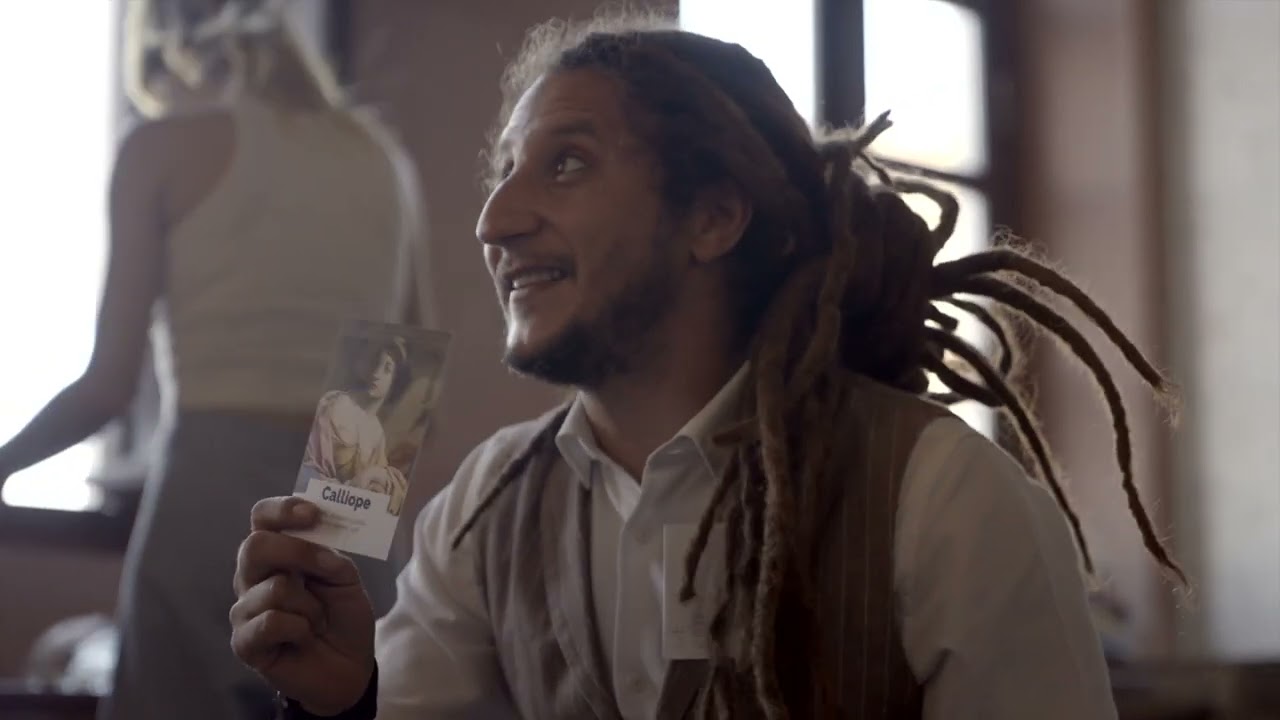
The first of three relational workshops developed for the Mahalla Festival in Istanbul. Together we wrote and sang to Calliope, the muse of poetry, the story of Circe—the sorceress as feminist witch. In a world where power belongs to men and women are cast as mothers or wives, Circe stands as an autonomous, self-possessed figure. She governs her island not through weapons, but through a seductive magic.
Session #2: The Horse, 5 September 22
Who decided the Trojan Horse had to be a horse? The participants in the second workshop refused the premise and declared the Trojan Horse to be a unicorn. In this retelling, Odysseus does not deploy the unicorn to destroy the city, but to build peace between peoples and bring ten years of bloody war to an end. The only way to end a war is to stop fighting. And what could be more fitting than a Trojan unicorn?
Session #3: The Story of the End, 7 September 22
Tiresias, Cassandra, Calchas—so many seers move through the Iliad and the Odyssey. But who are the seers today? Scientists. The prophets of the past foretold destruction, yet power refused to believe them. The powerful preferred to ignore or kill the seers rather than change their ways and listen to prophecy. The same logic repeats today with scientists and climate change. You don’t need to be a wizard or a witch to understand the future—the science tells us. What is required is simpler, and harder: to change the way we live.
Videomaker
Murat Kahya, Aykut Guler, Selcuk Uzanır
Audiomaker
Can Gürses
luogo
Kurtuluş, Kurtuluş Greek School
Photo by
Shahzad Mudasir
A cura di
jlayda Tunca
Mostra
Mahalla Festival Palimpsest, Istanbul Official parallel event of 17th Istanbul Biennial
prodotta da
Magic Carpets programm
Date
7 Settembre 2022
Category
performance