

Of heroin and incense

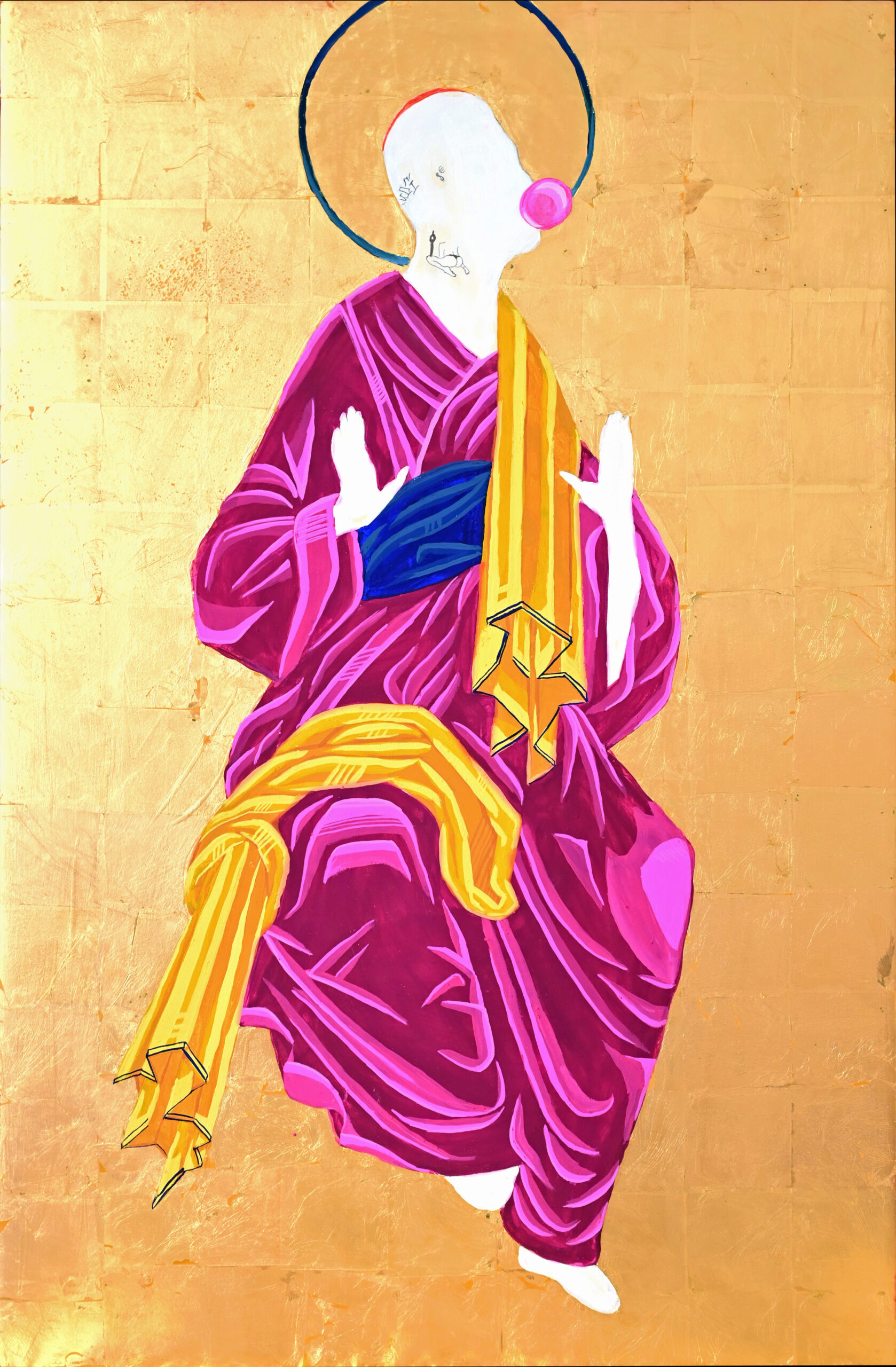
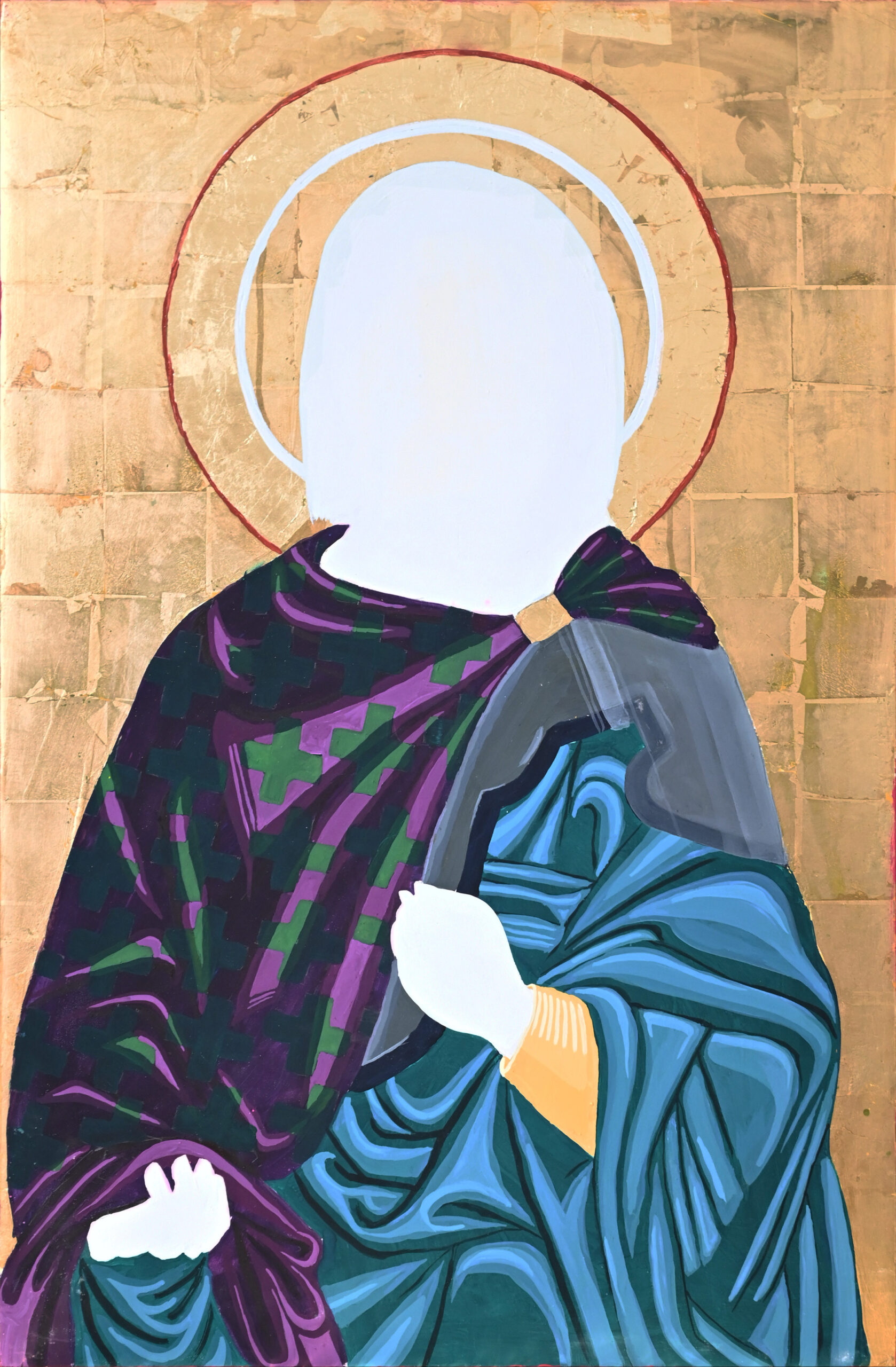
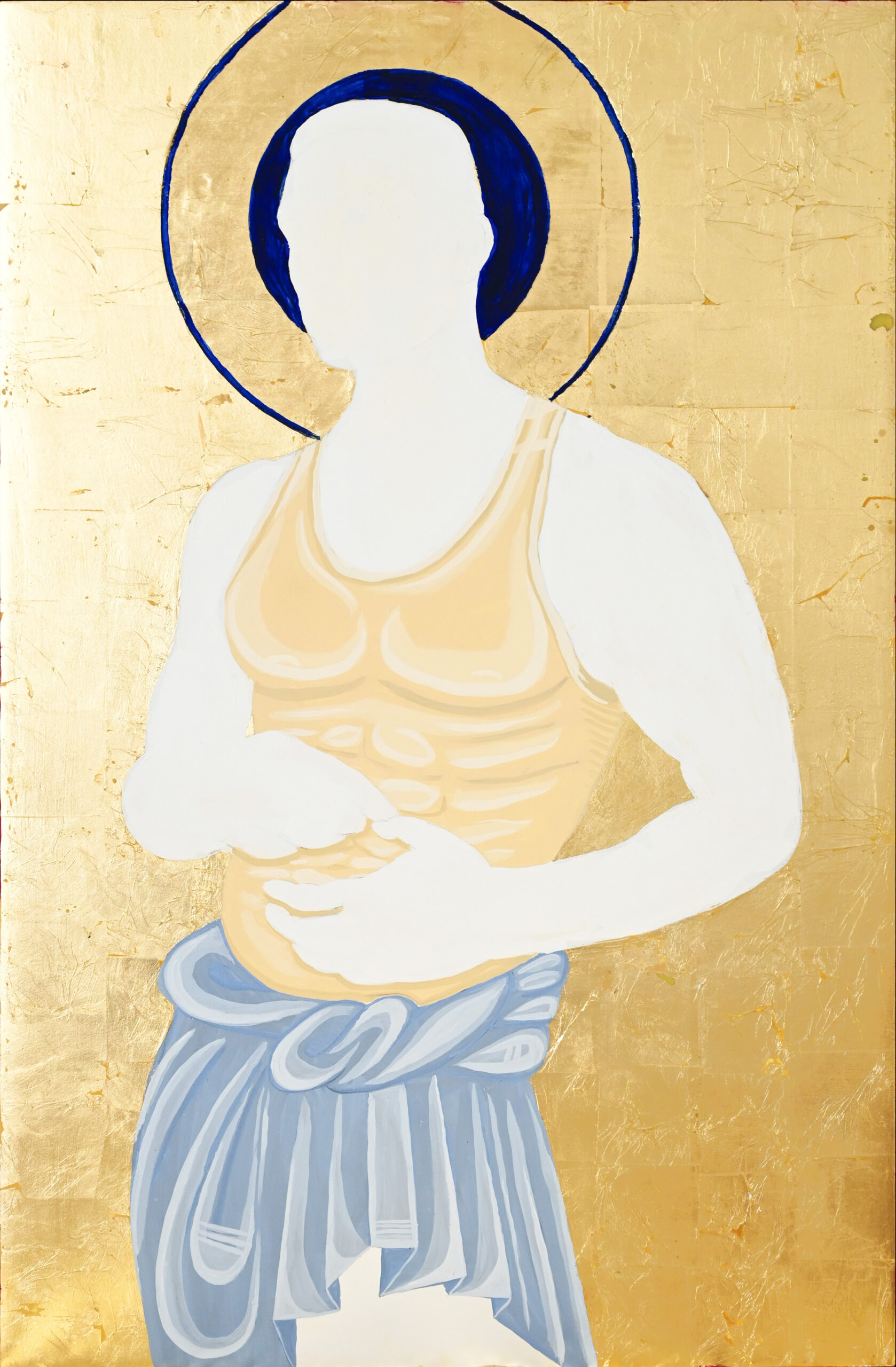
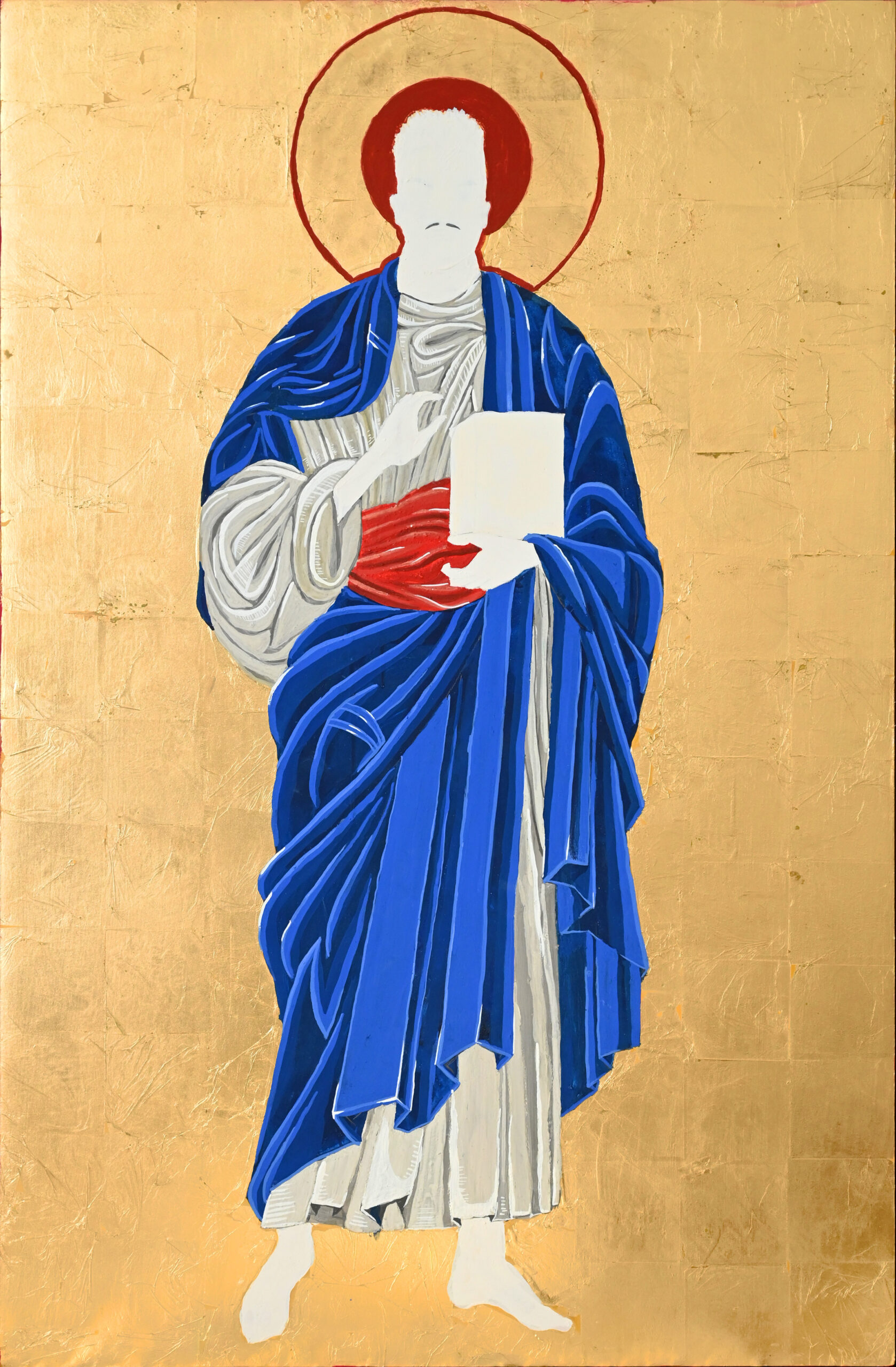
Of heroin and incense
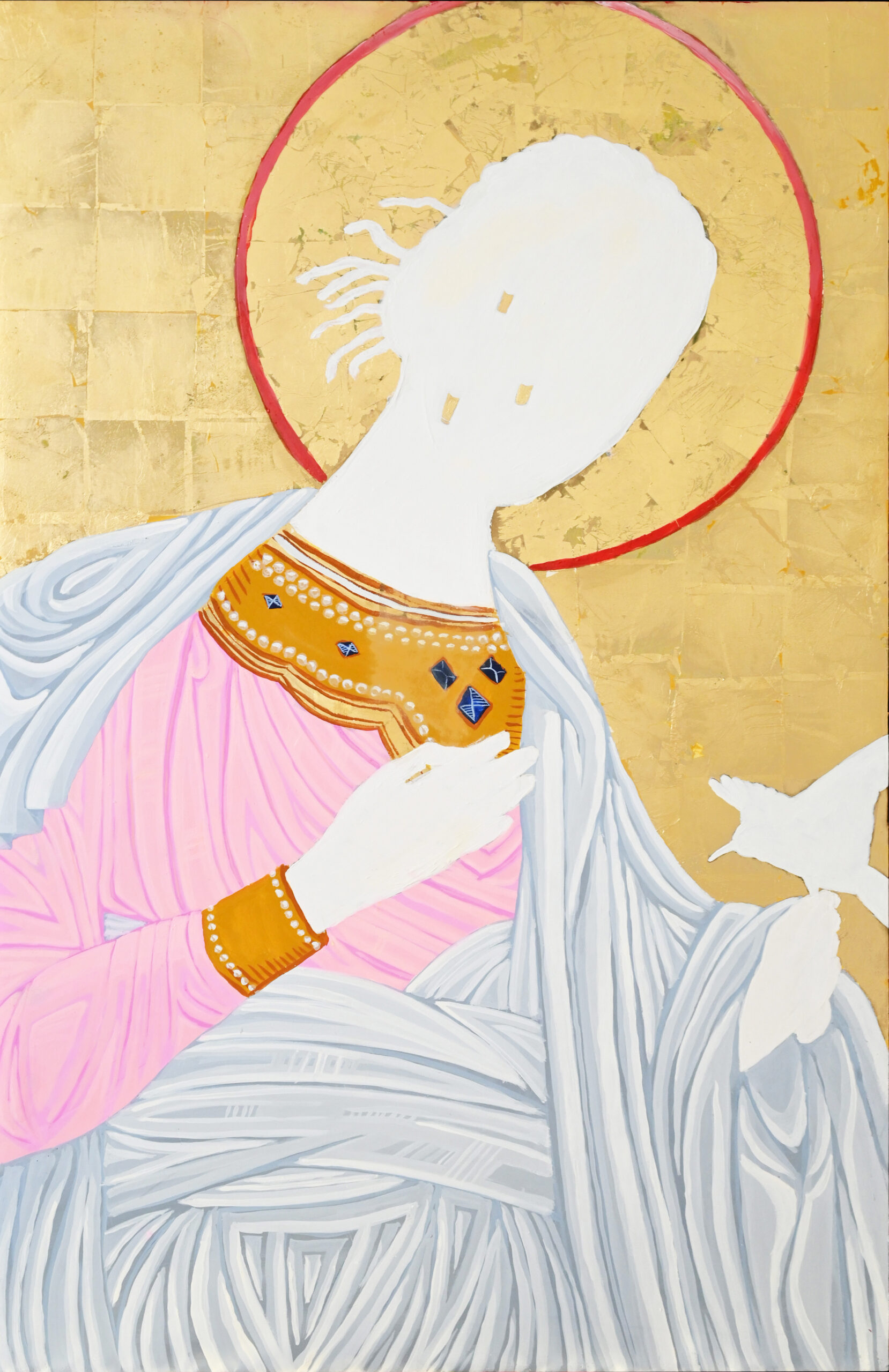
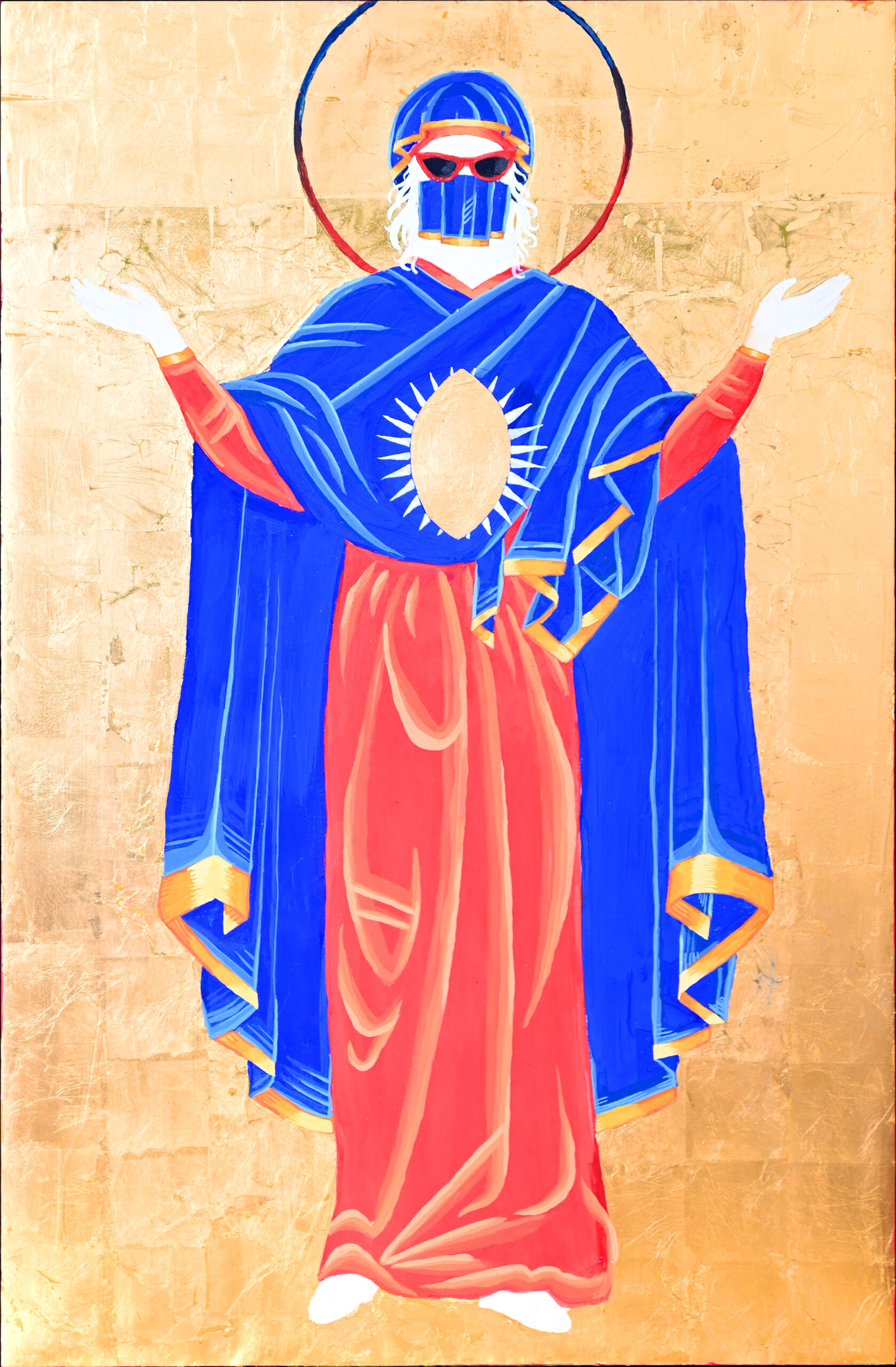
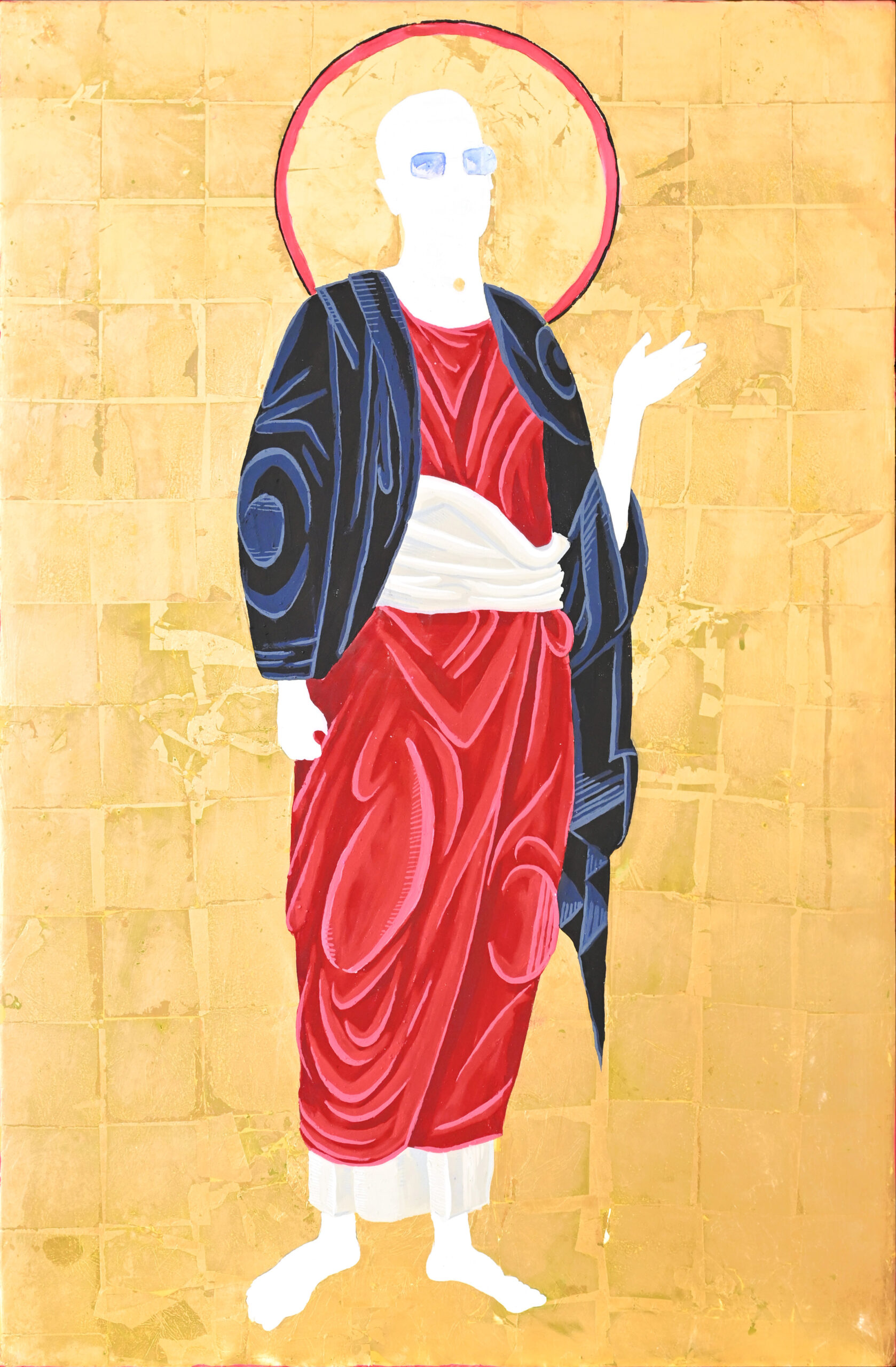
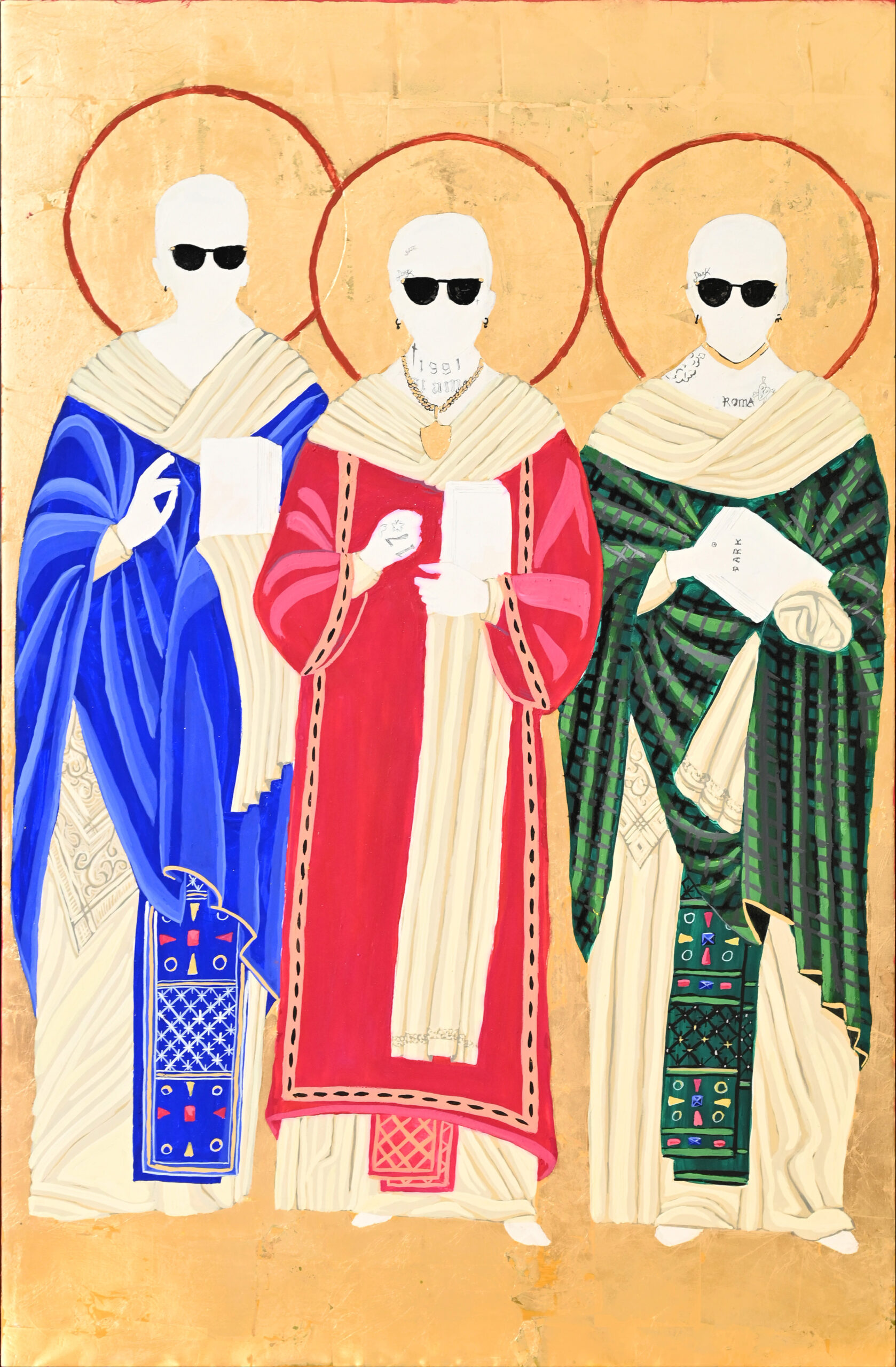
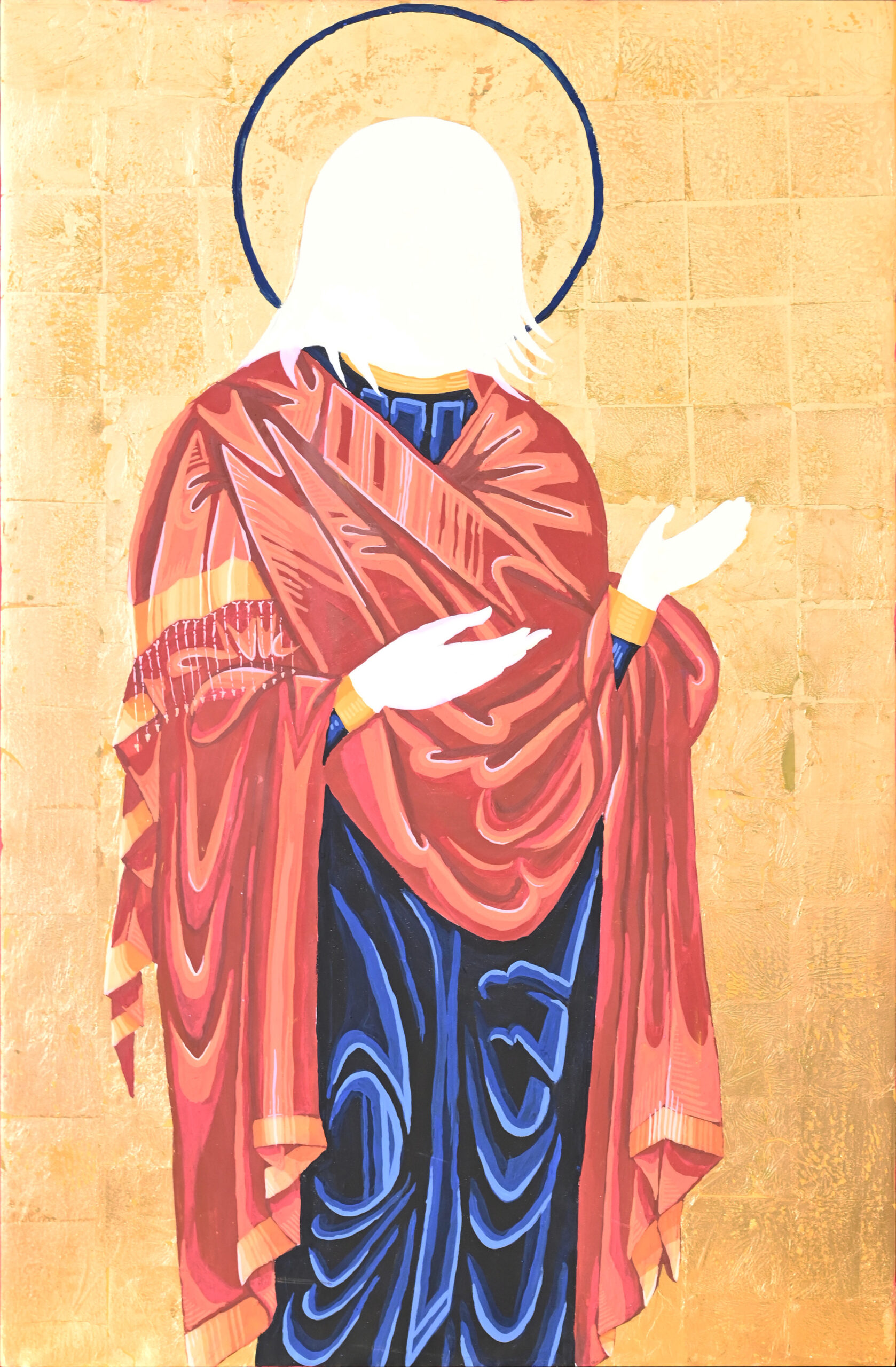
The artist’s intention is to underline the connection between what took place at Nicaea in AD 800 and what, in our own day, characterises the use of images in Western culture. The ascendancy of the image over the word, and the representation of the divine through gold, both trace their roots back to the Council of Nicaea. At Nicaea, the iconodules prevailed over the iconoclasts.
The latter, invoking the commandment forbidding the making of images of God, prohibited the depiction of God and of Christ. Yet two arguments proved decisive for the iconodules: that Christ had made himself visible, and that God had fashioned his own image (the Shroud, for instance). If God has created his own image, it cannot be mistaken; and to reproduce it becomes something proper and right. In a sense, this victory can be read as the starting point of Western art history, in which the image assumes supremacy over the word.
That primacy of the image is one of the defining features of trap culture and, more broadly, of social-media culture, with Instagram leading the way. Divinities such as money, weapons, sex, drugs, cars, and furs are flaunted through a repertoire of symbols—luxury brands among them. This visual approach to storytelling is deeply embedded in the Western tradition and begins, precisely, in AD 786, when the Second Council of Nicaea affirmed the possibility of representing God through images—an element that marks one of the fundamental differences between Christianity and Judaism. Unlike other monotheistic religions, the Western God has revealed himself.
To immerse oneself in the past in order to find interpretative keys for the present is the research method through which Filippo Riniolo addresses contemporaneity. In this specific case, the aim is to identify the iconic roots of trap culture, so as to understand the phenomenon’s cultural components without falling into easy, disparaging prejudices. Trap becomes a metaphor for the spectacular polytheism of today: sex, success, money, and drugs are the deities of our time. The priests of these deities use these instruments to render them eternal—turning them into icons—and, upon the altar-stage, they send the faithful into rapture.
The icon-works created by the artist are panels treated with the ancient Byzantine technique of egg tempera and gold leaf—a method he learned in Istanbul during a four-month artist residency.
size
10 icone, 59 x 90 x 2 cm, icone a tempera all'uovo e foglia oro
courtesy
Traffic Gallery, Bergamo
date
dal 13 Giugno al 12 settembre 2020
Date
13 June 2020
Category
icons